Vietnam Travel Guide 2026: Essential Safety Tips, Best Itineraries & Hidden Gems
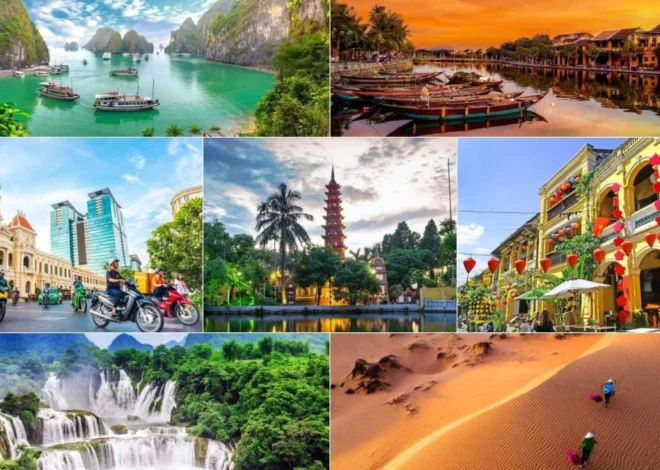
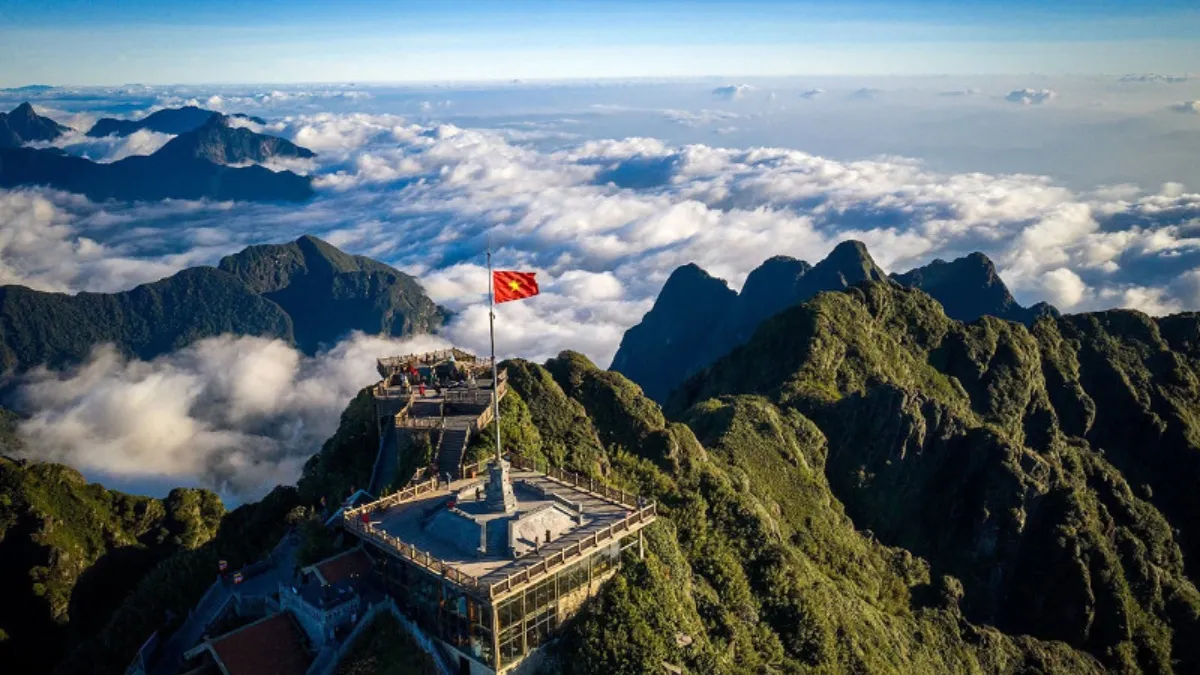
From the breathtaking vistas of Sam Mountain and Ha Long Bay to the intricate craftsmanship of ancient temples and pagodas, plus those iconic rice terraces and pristine beaches, Vietnam travel never fails to amaze. There’s just something special about backpacking Vietnam or even coming here for a relaxed vacation that mixes jaw-dropping natural beauty with buzzing cities and what I truly believe is some of the world’s best street food.
People tend to either fall head over heels for traveling in Vietnam or find it a bit overwhelming. On my first trip years back, yeah, there was some lingering skepticism toward foreigners (understandably, given the history), a fair share of scams, and the energy wasn’t always the warmest. But wow, has the country evolved since then. Tourism’s been fully embraced, locals are way more open and welcoming, scams are much rarer, and places like Ho Chi Minh City have turned into a vibrant spot for digital nomads chasing that perfect work-travel balance.
Whether you’re wandering the chaotic charm of Hanoi’s Old Quarter or savoring the incredible food and custom-tailored clothes in Hoi An, there’s so much to explore in this Vietnam travel guide. My advice? Slow down and savor it don’t try to rush through everything.
This comprehensive Vietnam travel guide from FlexTopics is here to help you plan an unforgettable trip, with practical tips to make the most of your adventure in this incredible destination.
Top 10 Must-See Spots and Experiences in Vietnam: My Personal Vietnam Travel Guide
If you’re putting together your own Vietnam travel guide, these are the five places that stood out the most during my trip. They capture everything from serene waterways to bustling cities and epic natural beauty perfect for anyone wanting a mix of culture, adventure, and relaxation.
Exploring the Mekong Delta
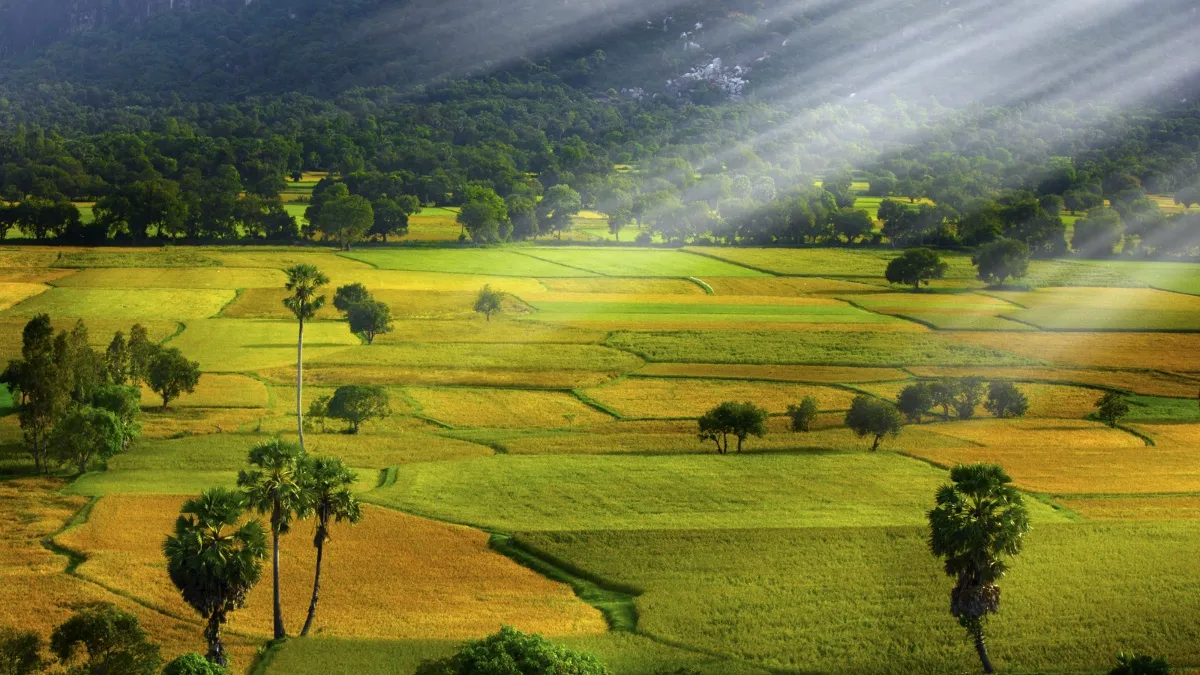
The Mekong Delta feels like a massive network of rivers and canals stretching across southern Vietnam it’s been a lifeline here for centuries. What drew me in were the quiet little villages, ancient pagodas tucked among mangroves, and endless fruit orchards. I highly recommend hopping on a boat tour or renting a bike to really soak it in and get a taste of everyday rural life.
Highlights for me were the lively Cai Rang floating market (all those fresh fruits and the energetic vibe), the stunning Vinh Trang Pagoda with its golden details and peaceful gardens, and the beautiful Sadec Flower Village it’s surprisingly calming even if flowers aren’t your thing. Take a couple of days to escape the city chaos; it’s worth it. Basic day trips from Ho Chi Minh City usually run around 800,000-1,500,000 VND per person these days.
Getting Lost in Hanoi
Hanoi’s old capital roots go way back, and wandering the narrow lanes of the Old Quarter is still one of my favorite ways to feel the city’s pulse. The streets are alive with food vendors, aromatic street eats, and that constant hum of activity great for people-watching. Don’t miss spots like the unique One-Pillar Pagoda, the historic Imperial Citadel of Thang Long, or a show at the Water Puppet Theater. I also spent time at the history museum to better understand the French colonial era and the war years from a local viewpoint, plus the Ho Chi Minh Mausoleum. Hanoi makes an excellent hub for longer trips to places like Ha Long Bay.
Cruising Ha Long Bay

This place is straight out of a postcard with its thousands of limestone islands rising from emerald waters it’s a UNESCO site for good reason and one of Vietnam’s biggest draws. I did a multi-day boat cruise (most are 2-5 days) starting from Hanoi, which let me explore floating villages, hidden beaches, and huge caves. Sleeping on the boat or even on a quiet island was magical. That said, it’s super popular, so it can get crowded go for a better-quality option to avoid the rush. Budget tours start around 2,000,000 VND, while mid-range ones (which I recommend) are often 4,000,000-6,000,000 VND. You really do get what you pay for in terms of comfort and experience.
Chilling in Hoi An
Hoi An quickly became my absolute favorite stop in Vietnam. This old port town from the 15th-19th centuries has incredibly preserved architecture the whole Ancient Town is UNESCO-listed. I loved just strolling the lantern-lit streets, zooming around the countryside on a sidecar adventure, and taking a cooking class where we used super-fresh seafood straight from the water. It’s also tailor heaven; I got some custom clothes made affordably and had them shipped home without any hassle. If you’re building a Vietnam travel guide around relaxed vibes and charm, put Hoi An at the top.
Trekking in Sapa
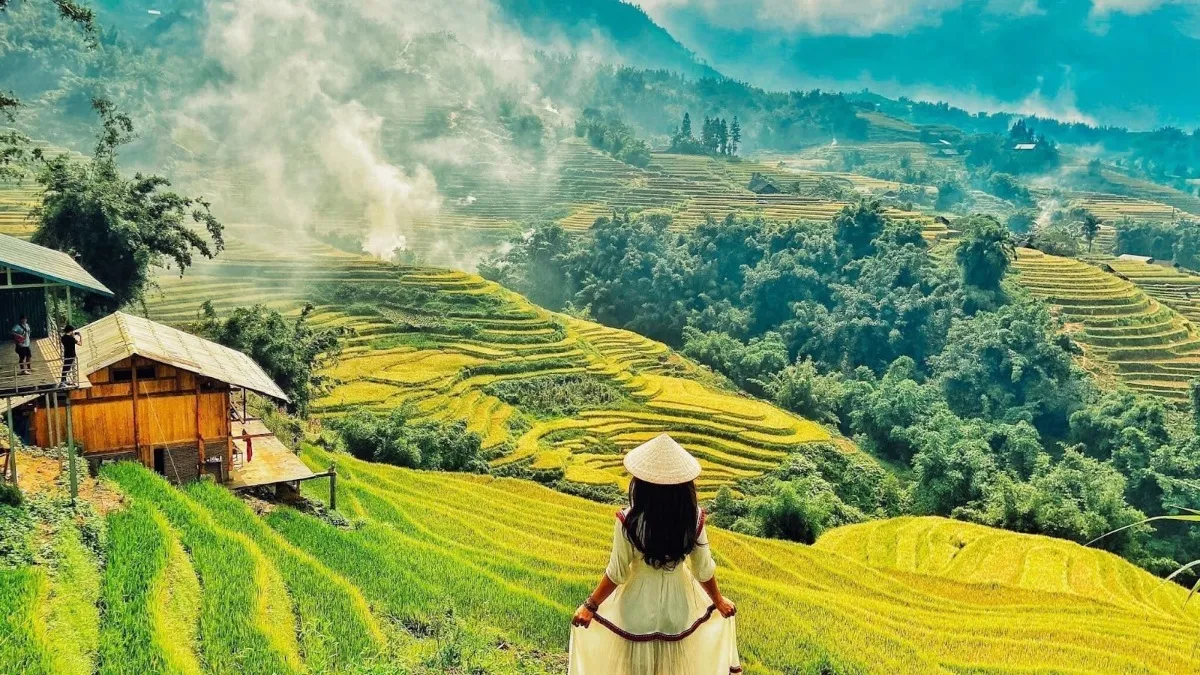
Up in the north, Sapa is the go-to spot for outdoor lovers, with its epic rice terraces, mountain trails, and rich hill tribe cultures. About 85% of the area is home to ethnic minority groups, each with their own vibrant traditional clothing and unique hillside homes. The hiking here lets you dive into Vietnam’s stunning scenery and diverse heritage. To skip the main crowds, visit in the shoulder season or opt for longer, less-traveled paths it’s the best way to experience the real adventure side of the country.
Relaxing on Phu Quoc Island
Phu Quoc has shot to the top of so many people’s lists this year, and it’s easy to see why it’s basically Vietnam’s tropical paradise with pristine white-sand beaches, crystal-clear waters, and luxury resorts popping up everywhere. I spent a few days there lounging on Sao Beach, snorkeling around the southern islands, and catching those insane sunsets that turn the sky all shades of pink and orange.
It’s got everything from cable car rides to the world’s longest over-water one, safari parks, and night markets with fresh seafood. Super easy to fly into directly from abroad now, and it’s perfect if you want that island escape without leaving the country. Flights and resorts can add up, but budget options start around 2,000,000 VND per night.
Vibing in Ho Chi Minh City (Saigon)
No Vietnam travel guide feels complete without Saigon it’s the buzzing heart of the south and one of the most visited spots for internationals landing in Vietnam. The energy here is nonstop: rooftop bars with skyline views, street food tours where you try everything from banh mi to pho, and historic spots like the War Remnants Museum or Cu Chi Tunnels for a deeper dive into the past. I loved just wandering District 1, grabbing coffee in hidden cafes, and hitting Ben Thanh Market for souvenirs. It’s a great starting or ending point for trips, with tons of international flights. Stay central for convenience hotels range from cheap hostels to fancy spots around 1,500,000-4,000,000 VND.
Beach-Hopping in Da Nang
Da Nang is having a major moment in 2025, especially with events like the fireworks festival drawing huge crowds. It’s got those long golden beaches (My Khe is a favorite for swimming), the iconic Dragon Bridge that breathes fire on weekends, and easy access to Marble Mountains for some light hiking and caves. I took a day trip to Ba Na Hills for the Golden Bridge (those giant hands holding it up are even cooler in person) and the fantasy-like theme park vibes up top. It’s more modern and laid-back than the big cities, with great seafood and a growing food scene. Perfect base for central Vietnam explorations.
Chilling in Ninh Binh

Often called “Ha Long Bay on land,” Ninh Binh is exploding in popularity for its dramatic limestone karsts, river boat rides through rice paddies, and ancient temples. I did the classic sampan boat tour in Trang An (UNESCO-listed and so peaceful), climbed to Hang Mua for panoramic views, and biked around the countryside spotting water buffalo and lotus fields. It’s just a couple hours from Hanoi, making it an easy add-on, and way less crowded than some spots if you go early. Feels super authentic and photogenic definitely a highlight for nature lovers in any Vietnam travel guide.
Sun and Sea in Nha Trang
Nha Trang’s coastal charm is pulling in tons of international visitors looking for beach time with a side of adventure. The long promenade, clear turquoise waters, and islands offshore for diving or mud baths make it a classic. I spent days island-hopping, trying Vinpearl amusement park (cable car over the sea is fun), and relaxing with fresh lobster at beachside spots. It’s got a lively nightlife too if that’s your thing. Direct flights make it accessible, and it’s more developed for tourists than some quieter beaches.
These spots including some of the best places to visit in Vietnam are the ones showing up everywhere in 2025 searches and bookings. Mix them into your itinerary for that ultimate Vietnam experience! If you’re planning a trip, central and southern areas like these are great for warmer weather year-round.
Other Things to See and Do in Vietnam
If you’re putting together your own Vietnam travel guide, don’t miss these experiences beyond the usual spots they gave me some of my favorite memories from the trip.
Take a free walking tour
Whenever I land in a new place, my go-to is jumping on a free walking tour. It’s hands-down the easiest way to get oriented, spot the key sights, and chat with a local guide who knows all the insider tips. In Hanoi and Ho Chi Minh City (the country’s biggest and busiest hubs), there are solid options that hit the highlights and set you up perfectly for exploring more. I liked Hanoi Free Walking Tours and Saigon Free Day Tours they’re straightforward and informative. Pro tip: always tip your guide generously at the end!
Crawl through the Cu Chi Tunnels
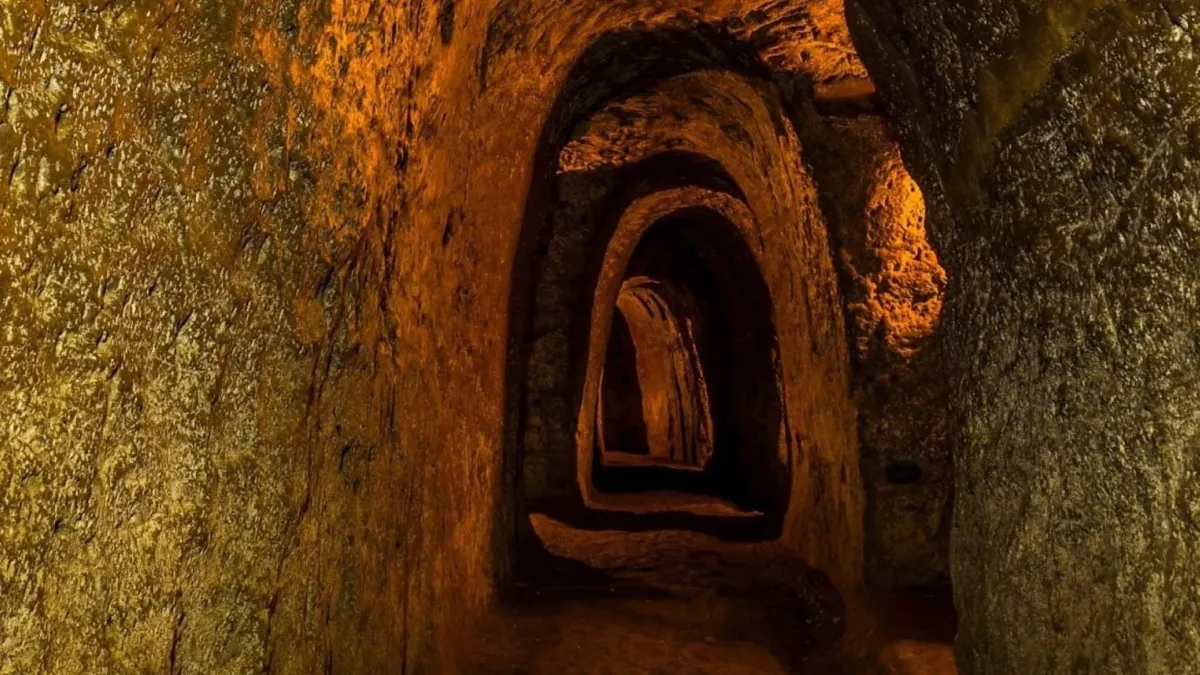
This massive tunnel system stretches hundreds of kilometers and played a huge role for the Viet Cong during the war. On the tour, you’ll get a rundown of the history, then squeeze through parts of the maze yourself and even try firing an AK-47 at the range. It’s intense and eye-opening, definitely not for the claustrophobic, but if you’re interested in understanding the Vietnam War better, it’s essential. Entry is usually around 125,000 VND these days.
Relax or get adventurous in Dalat
Tucked up in the Central Highlands, Dalat has that fresh mountain vibe that’s perfect for chilling out or cranking up the adrenaline. I loved the cooler air after the lowland heat, and there are tons of options like rock climbing, ziplining, or rappelling down waterfalls. The surrounding hills are dotted with traditional villages you can visit too. A full day of ziplining and rappelling adventures typically runs about 1,500,000–2,000,000 VND per person, depending on the operator.
Visit Cuc Phuong National Park
Just south of Hanoi, Cuc Phuong was Vietnam’s first national park and feels like a hidden gem. It’s packed with ancient trees and rare wildlife I spotted signs of clouded leopards and langurs, though they’re elusive. What stood out for me was how peaceful it was compared to busier spots; no big crowds. Entrance is around 60,000–70,000 VND.
Explore Ho Chi Minh City
Saigon (as many still call it) is the bustling heart of the south, and wandering its streets gives you a real feel for modern Vietnam mixed with colonial history. Head to the War Remnants Museum for insights into the French era and the American War. The chaos of motorbikes zipping past old buildings is iconic, and Ben Thanh Market is chaotic in the best way great street food and energy everywhere. Don’t leave without trying proper pho from a roadside stall; some of the best bowls I had were right there on the pavement.
Get active in Mui Ne
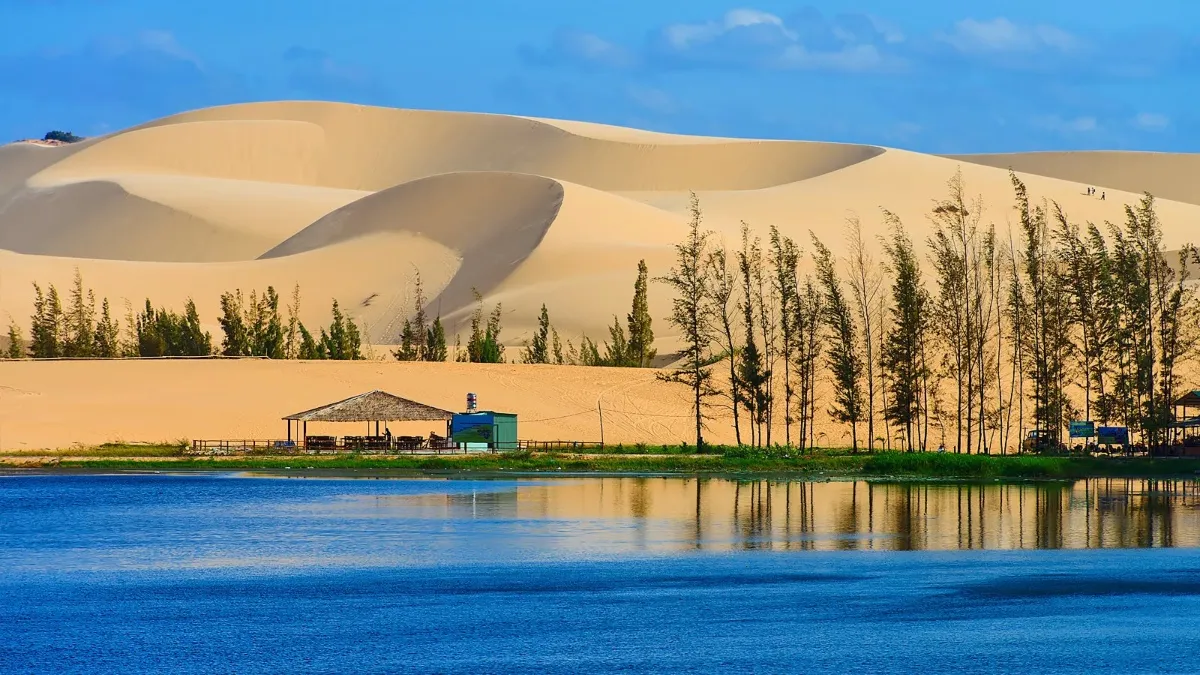
This little fishing village has turned into a hotspot for wind- and kitesurfing thanks to the steady breezes. Beyond the beach, my highlights were quad-biking over the massive sand dunes (they really do feel desert-like) and the jeep tour to Fairy Stream a surreal walk through a red canyon. The ancient Po Shanu Cham Towers offer stunning coastal views too. It’s got a relaxed vibe with friendly locals and epic sunsets; worth a couple of days if you’re busing along the coast.
See My Son
These ancient Hindu ruins from the Cham Empire are fascinating, though the jungle has taken back a lot and they’re not as pristine as Angkor Wat. Still, the historical significance is huge the Champa ruled central Vietnam for centuries. Expect to pay about 150,000 VND entry.
Visit the caves in Phong Nha-Ke Bang
Phong Nha-Ke Bang National Park is home to some of the world’s most impressive caves, including the massive Son Doong (though tours there are pricey and booked out far ahead). The standard Phong Nha Cave boat trip is stunning, with huge chambers full of stalactites. Basic entry to the main caves is around 150,000 VND, plus boat fees.
Check out the rice terraces
Vietnam’s rice paddies are postcard-perfect, especially in places like the Muong Hoa Valley near Sapa. If you’ve never seen terraces up close, make time for them hiking through, learning about farming, and snapping photos of the layered green (or golden in harvest season) landscapes is unforgettable. Guided tours usually cost 600,000–1,000,000 VND per person.
Relax in Hue
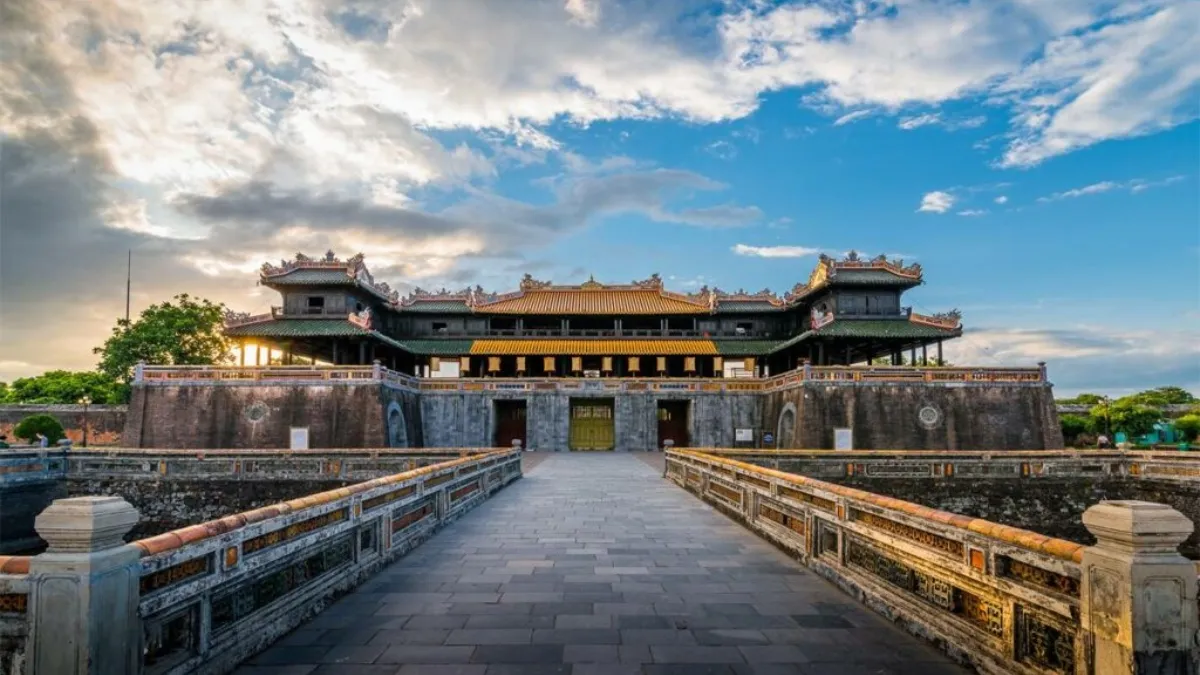
Hue often gets overlooked on the tourist route, which keeps it quieter and more laid-back. Stroll along the Perfume River to the Imperial Citadel, and visit spots like Tu Hieu Pagoda or the royal tombs (Minh Mang, Tu Duc, and Khai Dinh are standouts from the 19th-20th centuries).
Take a cooking class
Vietnamese cuisine is incredible, and a cooking class is the best way to dive in. You’ll pick fresh ingredients at a market, learn techniques from a local chef, and hear stories behind dishes like pho or spring rolls. Most classes include market visits and cost around 800,000–1,200,000 VND per person.
Tour the former DMZ
The Demilitarized Zone divided north and south during the war, and tours from Hue take you to sites like tunnels and bases with guides who often have personal or family connections to the conflict. It’s a poignant look at history from a Vietnamese perspective. Full-day tours start around 2,000,000–3,000,000 VND.
Buy a motorbike
For the ultimate freedom, many backpackers buy a bike and ride the length of the country it’s the classic off-the-beaten-path adventure. Pick one up in Hanoi or HCMC, explore remote spots buses skip, then sell it at the other end. Decent used ones go for 5,000,000–10,000,000 VND, and you can often recoup some cash reselling.
Sample the local coffee
Vietnam is the world’s second-biggest coffee exporter, and trying it fresh is a must even if you’re not usually a coffee person (like me). Hop between cafes, join a tasting in Hanoi or HCMC, or visit a plantation in the highlands. Half-day plantation tours with plenty of samples run about 700,000–1,500,000 VND.
How to Stay Safe in Vietnam? – Vietnam travel guide
Vietnam is honestly one of the safest countries I’ve backpacked through. Serious violent crime is extremely rare, and most travelers (including solo ones) feel completely at ease here. The biggest risk is petty theft, like pickpocketing or bag snatching in crowded spots. As with any popular destination, just keep your valuables secure use a money belt or hidden pouch and stay aware of your surroundings, especially in busy tourist areas or late at night.
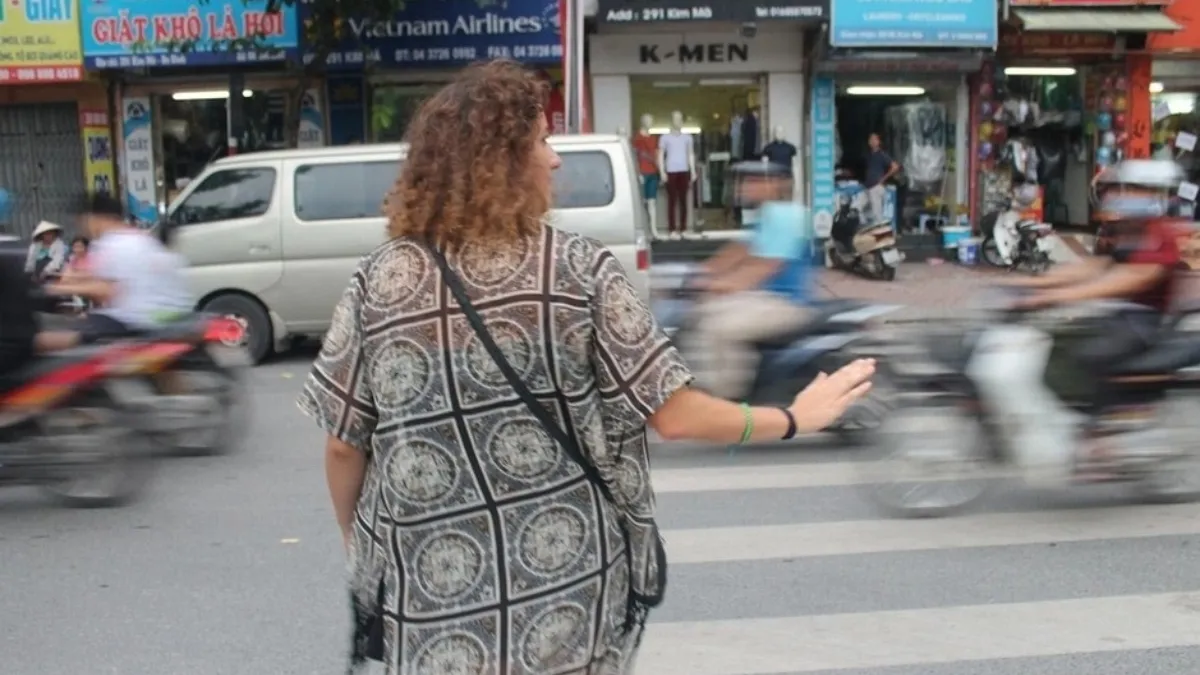
Traffic in cities like Hanoi and Ho Chi Minh City is absolute chaos millions of motorbikes, few real road rules, and horns blaring nonstop. Crossing the street can feel intimidating at first, but the trick is to walk slowly and steadily; don’t hesitate or run. The drivers are used to weaving around pedestrians, so just commit and let them flow past you. If you’re nervous, wait and cross with a group of locals.
If you decide to rent a motorbike (super common and fun for exploring), always wear a helmet accidents happen way too often, even on quieter rural roads. Before riding off, take clear photos or a quick video of the bike to avoid the classic “pre-existing damage” scam when you return it.
Speaking of scams, most are pretty low-level overcharging, fake taxi meters, or “accidental” wrong change (the notes look similar, so double-check every time). Count your change carefully, and don’t feel bad politely pushing back if something feels off. For a deeper dive into what to watch out for, check out a solid Vietnam travel guide on common tourist scams.
Street food is one of the highlights of any trip here and generally very safe, but I always pick stalls packed with locals if it’s good enough for them, it’s good enough for me. Skip anything that looks like it’s been sitting in the heat too long, and wash your hands whenever possible.
Solo female travelers usually have a great experience in Vietnam, but the usual rules apply: keep an eye on your drink, avoid walking alone late at night if you’ve been drinking, and meet dating app matches in busy public places.
In an emergency, the police number is 113. Make digital and paper copies of your passport, visa, and insurance details just in case.
My biggest piece of advice and I can’t stress this enough is to get proper travel insurance before you go. It covers medical emergencies, theft, trip cancellations, and everything else that can go wrong. I’ve claimed on mine more than once over the years, and it’s always been worth it.
For more practical tips like this, a good Vietnam travel guide can really help you prepare and make the most of your trip without unnecessary stress. Safe travels!
Where to Stay in Vietnam – My Personal Recommendations (From a Real Trip)
After traveling around Vietnam for months on a budget, I’ve stayed in tons of places and these are the ones I genuinely loved and kept recommending to friends. If you’re putting together your own Vietnam travel guide, here’s my shortlist of hostels and budget hotels that won’t break the bank but still feel awesome:
- Orchid’s Saigon Hotel (Ho Chi Minh City) – Super central, clean, and the staff are legends.
- The Hideout (Ho Chi Minh City) – My favorite hostel vibe in Saigon, great for solo travelers.
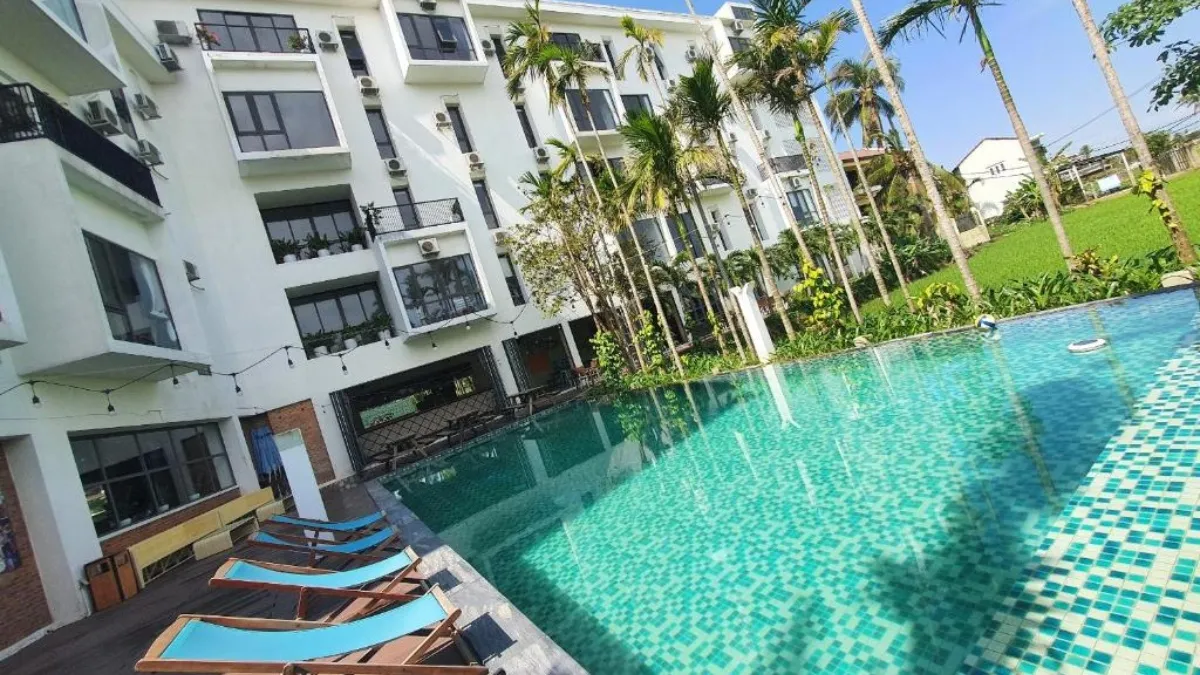
- Mad Monkey (Hoi An) – Pool parties + free daily activities? Yes please.
- Hoi An Golden Holiday Hotel (Hoi An) – Quiet, beautiful rooms, and only a 10-minute walk to the ancient town.
- Little Hanoi Hostel (Hanoi) – Right in the Old Quarter, rooftop bar, and the friendliest team ever.
- Hanoi House Hostel & Travel (Hanoi) – Feels more like staying with friends than a hostel.
- San Palace Hotel & Spa (Hanoi) – A proper hotel but still crazy affordable, perfect if you want a comfy bed after the overnight train.
- Ccasa Hostel & Coffee Bar (Nha Trang) – Those container rooms are so cool, and the beach is literally across the street.
How Much I Actually Spent in Vietnam (Real Numbers From My Trip)
Here’s what things cost me in early 2025 prices in VND, roughly converted from what I paid day-to-day while backpacking. Super useful when you’re planning your own Vietnam travel guide budget!
Accommodation (per night)
- Hostel dorm bed: ~100,000 VND
- Private room in a hostel: 350,000–425,000 VND
- Decent budget hotel (with AC and breakfast): from 225,000 VND
- Airbnb private room: around 325,000 VND
- Whole Airbnb apartment: 600,000 VND and up
Food & Drinks
- Street food (pho, banh mi, com ga): 20,000–40,000 VND
- Local restaurants (com tam, bun cha, etc.): 45,000–95,000 VND
- Western food when I missed home: 110,000–250,000 VND
- Draft beer (bia hoi or regular): 20,000–35,000 VND
- Bottled water (0.5L): 15,000 VND
- Weekly groceries if you cook sometimes: ~400,000 VND
Honestly, Vietnam is still one of the most budget-friendly countries I’ve ever traveled in. You can easily get by on $20–30 a day if you eat local and stay in hostels sometimes even less if you’re good at bargaining and taking night buses! Hope this helps with your Vietnam travel guide planning.
Suggested Budgets for Your Vietnam Travel Guide

If you’re planning a trip to Vietnam, budgeting is key to making the most of this incredible destination. As part of any solid Vietnam travel guide, here’s a realistic breakdown based on different travel styles – I’ve drawn from my own experiences backpacking and splurging over multiple visits.
Backpacker Level – Around 600,000 VND (~$23 USD) Per Day
On a tight backpacker budget, I stuck to hostel dorms (super social and cheap), devoured street food for every meal (pho and banh mi are lifesavers), skipped heavy drinking, hopped on local buses between cities, and focused on free stuff like wandering markets or hiking. If you’re partying a bit, tack on another 20,000-40,000 VND for beers – it adds up quick!
Mid-Range – About 1,125,000 VND (~$43 USD) Per Day
This was my sweet spot on recent trips. You’d get a decent private room in a budget hotel or guesthouse, mix street eats with the occasional proper restaurant meal, grab a few more drinks in the evenings, use taxis or Grab rides now and then, and splash out on paid attractions like museums or a water puppet show in Hanoi. It’s comfortable without feeling extravagant.
Upscale – Roughly 2,460,000 VND (~$94 USD) Per Day
For a more luxurious vibe, think nice hotels with all the amenities, eating wherever catches your eye (fine dining included), plenty of cocktails or craft beers, frequent taxis or private transfers, and no limits on tours – like a multi-day cruise in Ha Long Bay. It’s amazing how far your money goes here compared to other places.
Money-Saving Tips from My Vietnam Travel Guide Experiences
Vietnam remains one of the most budget-friendly spots in Southeast Asia – even with tourism booming, it’s tough to blow your cash if you avoid Western-style spots. I’ve traveled here multiple times, and it’s still shockingly affordable. That said, if you want to stretch your dollars further (or dong!), here are some tips that actually worked for me:
Pack a reusable water bottle. Tap water isn’t drinkable straight up (especially in places like Hanoi), so I always brought my LifeStraw bottle with a filter. It saved cash on constant bottled water buys and cut down on plastic waste – win-win.
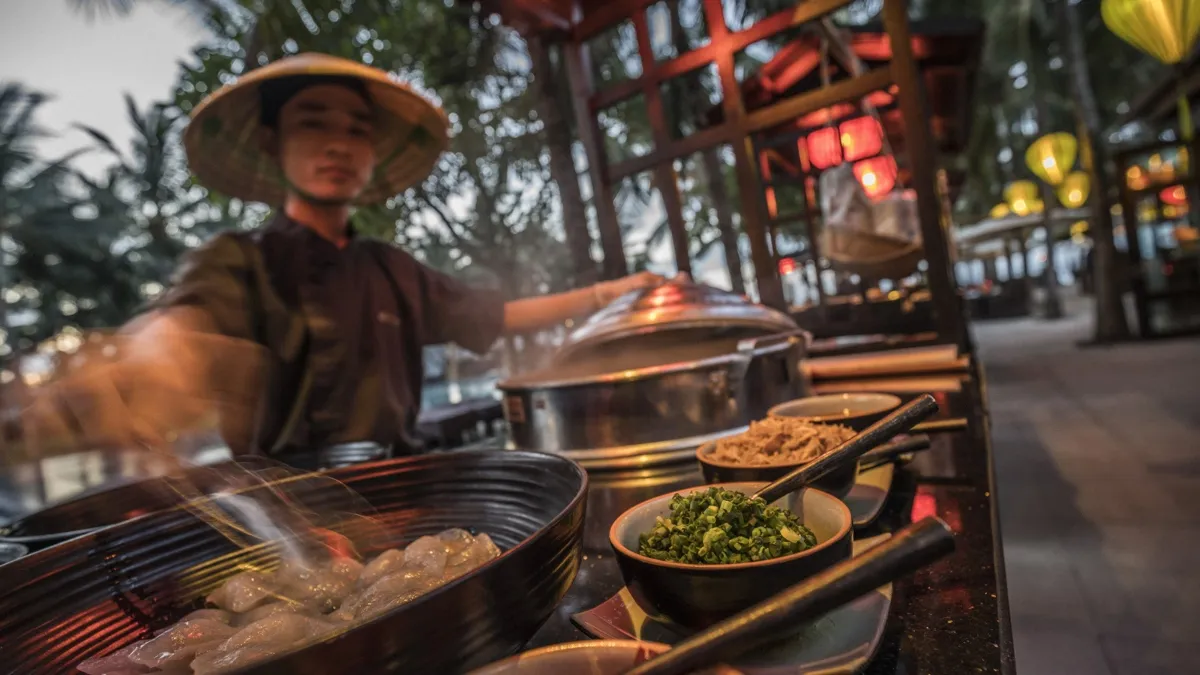
Dive into street food. Hands down the best part of traveling Vietnam – it’s fresh, delicious, and dirt cheap. I loved watching vendors cook right in front of me. Sticking to local staples like pho, banh mi, fresh bread, donuts, or grilled bananas kept my food costs super low.
Opt for overnight travel. On longer hauls, I booked sleeper buses or trains – they save a night’s accommodation and let you wake up in a new spot. Some are surprisingly comfy with lie-flat beds, gliding through the countryside at night.
Go with tourist buses. Weirdly, they’re often cheaper than local options because of the deals you snag, and tickets across the country are a bargain.
Snag cheap domestic flights. Budget carriers like VietJet Air have insane deals if you’re short on time – I once grabbed a Hanoi to Da Nang flight for under a million VND. Keep an eye on promotions!
Haggle like a pro. Everything’s negotiable – from cyclo rides to souvenirs or even street snacks. Tourists get quoted higher prices, so bargain firmly (walking away helps), but stay polite.
Ask locals for price checks. Before heading out from your hostel or hotel, chat with staff about fair costs – like “How much should a taxi to the museum run?” or tailoring prices. Their insider tips saved me from overpaying tons of times.
These hacks turned my trips into epic adventures without breaking the bank. Vietnam’s affordability is a huge draw – follow a good Vietnam travel guide like this, and you’ll have more to spend on unforgettable moments!
Getting Around in Vietnam: A Practical Vietnam Travel Guide
When I traveled through Vietnam, figuring out transportation was key to making the most of my trip. In bigger cities like Hanoi and Ho Chi Minh City (HCMC), public buses are surprisingly reliable and a great budget option. In Hanoi, the network covers pretty much everywhere, with stops right by major spots like the Old Quarter or Hoan Kiem Lake. You pay cash onboard fares are usually around 7,000-15,000 VND depending on distance. HCMC has an even bigger system, and tickets are similar, often under 10,000 VND for most rides.
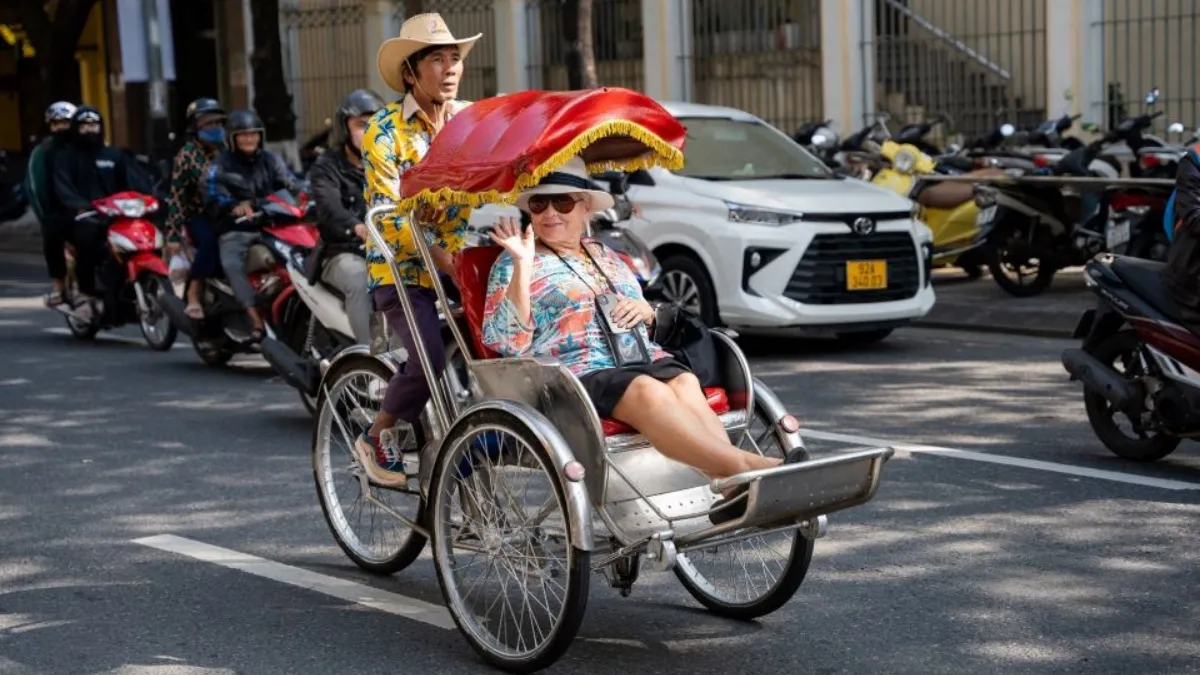
For shorter trips, cyclos (those classic bicycle rickshaws) are fun and cheap a quick ride might cost 20,000 VND or so, though they’re more for the experience now. Motorbike taxis, or xe om, are everywhere and super convenient. These days, most people use apps like Grab for them fares start low, around 15,000-30,000 VND for short hops. Just hang on tight, wear the helmet (they provide one), and enjoy weaving through the traffic it’s chaotic but exhilarating.
Trains are one of my favorite ways to see the country. They’re safe, comfy, and give you those stunning countryside views, especially along the coast. The network reaches most places (though not the Central Highlands or deep into the Mekong Delta). I booked through sites like Baolau, which makes it easy. A soft seat from Ho Chi Minh to Hanoi can start around 1,000,000 VND, but it takes days better to break it up. Shorter legs like Hanoi to Hue (about 13 hours) run 500,000-700,000 VND, or HCMC to Nha Trang around the same for 8 hours.
Long-distance buses are another solid choice in this Vietnam travel guide. Hop-on-hop-off tourist buses run the full north-south route, and they’re popular with both travelers and locals because they’re affordable and flexible. You can stop in places like Hoi An or Dalat. Full Hanoi to HCMC might cost 800,000-1,600,000 VND depending on the company and comfort level. Check sites like 12Go or BusBud for schedules and bookings.
If you’re short on time, domestic flights are a game-changer. Hanoi to HCMC is just 2 hours versus 30+ by train or bus, and one-way tickets often start under 1,000,000 VND if you book ahead with airlines like VietJet or Bamboo.
Renting a car? I skipped it traffic in cities is intense, and buses/trains cover everything so well. But if you want one, it’s around 500,000-700,000 VND per day, and you’ll need an International Driving Permit.
Hitchhiking isn’t common, but it’s doable and generally safe, especially on motorbikes. Grab a cheap helmet and thumb a ride locals are friendly.
Best Time to Visit Vietnam: Tips from My Trips
Vietnam’s weather changes a lot by region, so timing your visit depends on where you’re going. In the south (like HCMC and the Mekong Delta), dry season runs December to April/May perfect sunny days, though it can get hot. Rainy season (May-November) means afternoon showers, but they’re short, and the landscape turns lush green. Flooding happens occasionally in the Delta, but it’s not a deal-breaker.
Central coast areas like Da Nang, Hoi An, and Hue have rain from September to February, so aim for February-May for drier weather. Summers there get scorching, up in the 30s-40s°C.
Up north in Hanoi and around Halong Bay, October-December is lovely—cooler and less humid. Winters can be chilly and misty (especially in the mountains), while summers are hot and rainy.
Overall, for a full-country trip in your Vietnam travel guide, March-April or September-December often works best decent weather nationwide, fewer crowds in shoulder seasons, and vibrant festivals. Just pack layers and rain gear; Vietnam’s beauty shines year-round!
Vietnam Travel Guide: Top Booking Resources for an Unforgettable Trip
When planning a trip to Vietnam, finding reliable booking resources is key to a smooth and enjoyable experience. As a frequent traveler, I’ve tested countless platforms, and the ones below consistently stand out for their unbeatable deals, excellent customer service, and overall value. Whether you’re crafting your perfect itinerary with a Vietnam travel guide or seeking budget-friendly options, these companies are my go-to choices and should be your starting point for travel planning.
Skyscanner: My top pick for flight searches, Skyscanner digs deep into smaller websites and budget airlines often overlooked by bigger platforms. It’s the ultimate tool for finding affordable flights to Vietnam, making it a must-have in any Vietnam travel guide.
Hostelworld: For hostel stays, Hostelworld is unmatched. With the largest inventory, user-friendly search, and wide availability, it’s perfect for budget travelers exploring Vietnam’s vibrant cities and coastal gems.
Agoda: When it comes to hotels in Asia, Agoda shines. It’s my go-to for finding affordable, quality accommodations in Vietnam, from boutique guesthouses in Hanoi to beachfront resorts in Da Nang.
Booking.com: This all-around booking site consistently offers the lowest rates and widest selection of budget accommodations. Every time I’ve compared, Booking.com delivers the best deals, making it a staple in my Vietnam travel guide.
Get Your Guide: For unique experiences, Get Your Guide is a treasure trove of tours and activities. From foodie walking tours in Ho Chi Minh City to lantern-making classes in Hoi An, they have endless options to enrich your Vietnam adventure.
SafetyWing: Ideal for digital nomads and long-term travelers, SafetyWing offers affordable, flexible insurance plans. Their easy claims process and great customer service make them a reliable choice for staying protected on the road.
LifeStraw: A must for eco-conscious travelers, LifeStraw’s reusable water bottles with built-in filters ensure safe drinking water wherever you roam in Vietnam, from bustling markets to remote trails.
Unbound Merino: For travel clothing, Unbound Merino offers lightweight, durable, and easy-to-clean options. Perfect for Vietnam’s diverse climates, their gear keeps you comfortable and stylish.
These resources have made my travels across Vietnam seamless and memorable. By incorporating them into your Vietnam travel guide, you’ll save time, money, and stress while unlocking the best this stunning country has to offer.
Vietnam Travel Guide: Final Thoughts on Exploring This Incredible Country
After all the planning, the chaotic street crossings, the endless bowls of pho, and those breathtaking moments cruising through Ha Long Bay or trekking Sapa’s rice terraces, Vietnam never fails to leave me in awe. It’s one of those rare places where ancient history blends seamlessly with vibrant modern life, where the food is downright addictive, and where you can stretch your budget further than almost anywhere else in Southeast Asia.
Whether you’re backpacking on a shoestring, splashing out on a multi-day Mekong Delta homestay, or just dipping in for a quick city hop between Hanoi and Ho Chi Minh, slow down and soak it all in. Chat with locals over strong cà phê sữa đá, get lost in Hoi An’s lantern-lit streets at night, and don’t skip the street food it’s some of the best (and safest) you’ll ever have.
Vietnam has changed a ton over the years I’ve been visiting fewer hassles, better infrastructure, and way more welcoming vibes but it still feels authentic and full of surprises. If you’re smart about your bookings (using those resources I mentioned), stay aware of the traffic and petty scams, and pack a sense of adventure, you’ll come home with stories that’ll last a lifetime.
This Vietnam travel guide is just the starting point get out there and make your own version of the trip. Safe travels, and chúc mừng (cheers) to an unforgettable adventure!